 Book Appointment
What is Radiation Therapy?
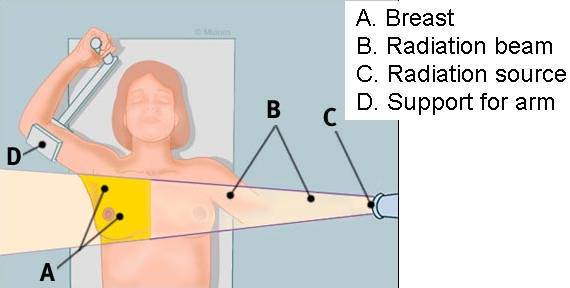
Radiation therapy — also called radiotherapy or RT — uses precisely targeted high-energy X-ray or electron beams to destroy cancer cells. A computer-controlled machine called a Linear Accelerator (LINAC) shapes the beam to match your tumour exactly, maximising dose to the cancer while protecting the healthy tissue around it.
Radiotherapy is one of the three pillars of cancer treatment alongside surgery and chemotherapy. More than half of all cancer patients need radiotherapy at some stage — to cure, to shrink a tumour before surgery, to eliminate microscopic disease after surgery, or to relieve symptoms and improve quality of life.
At Kathmandu Cancer Center, every radiotherapy treatment plan is reviewed by a multidisciplinary tumour board before it reaches the machine — ensuring that what you receive is evidence-based, individualised, and safe.
Radiotherapy Techniques at KCC
All techniques are delivered using our Elekta triple-energy high dose rate digital LINAC. Your oncologist and physicist select the technique that offers the best coverage of your tumour while sparing surrounding organs.
Nepal's First — Special Techniques
These techniques require dedicated equipment, specialised physics expertise, and institutional experience. KCC is the only centre in Nepal providing both TBI and TSET.
Total Body Irradiation (TBI)
TBI delivers radiation to the entire body in preparation for bone marrow or stem cell transplant. It eliminates remaining cancer cells and suppresses the immune system to prevent rejection of the donor marrow. TBI is used for blood cancers including acute lymphoblastic leukaemia (ALL), acute myeloid leukaemia (AML), and aplastic anaemia where transplant is planned.
Kathmandu Cancer Center is the only centre in Nepal performing TBI. We have completed more than 40 TBI procedures. Our clinical experience and outcomes have been published in an international peer-reviewed journal indexed on PubMed — the only such publication on TBI from Nepal.
The Himalayan Times covered KCC's first TBI-conditioned bone marrow transplant, reporting it as a technically demanding procedure that had not previously been performed in Nepal. Read the coverage
Total Skin Electron Therapy (TSET)
TSET uses electron beams to treat the entire skin surface. It is used for mycosis fungoides and other cutaneous lymphomas where cancer involves the skin across the whole body — a pattern that cannot be treated with conventional localised radiotherapy. Delivering TSET requires specialised positioning equipment, dedicated physics protocols, and a team experienced in this complex technique.
KCC pioneered TSET in Nepal and remains the only centre in the country equipped and experienced in delivering this treatment.
Expanding Precision Radiotherapy in Nepal
Coming SoonKCC is adding a new LINAC to bring Stereotactic Body Radiotherapy (SBRT) and Stereotactic Radiosurgery (SRS) to Nepal. Currently, patients with early-stage lung, liver, or small brain tumours who need this ultra-precise, few-session treatment often have to fly to India or Thailand. KCC will close that gap. [Expected: Q4 2026 / 2027]
Your Radiotherapy Journey — Step by Step
Oncologist Consultation
Your radiation oncologist reviews your diagnosis, pathology reports, and imaging. If radiotherapy is indicated, a treatment prescription is prepared specifying the dose, technique, and target volume.
CT Simulation
A dedicated CT scan is taken with you in the exact treatment position, held in place by a custom immobilisation device — a thermoplastic mask for head and neck, a breast board for breast cancer, or other device appropriate to your tumour site. This ensures perfect reproducibility for every treatment session.
Treatment Planning
The radiation oncologist delineates the tumour and critical organs on the CT scan. The medical physics team then designs a treatment plan in the Treatment Planning System (TPS) — optimising delivery so the prescribed dose reaches the tumour while staying within safe limits for the heart, lungs, spinal cord, and other nearby structures.
Plan Verification & Approval
The treatment plan is reviewed by the radiation oncologist, verified by the medical physics team, and approved before any treatment begins. Quality assurance measurements are performed on the LINAC to confirm that dose delivery will match the plan precisely.
Treatment on the LINAC
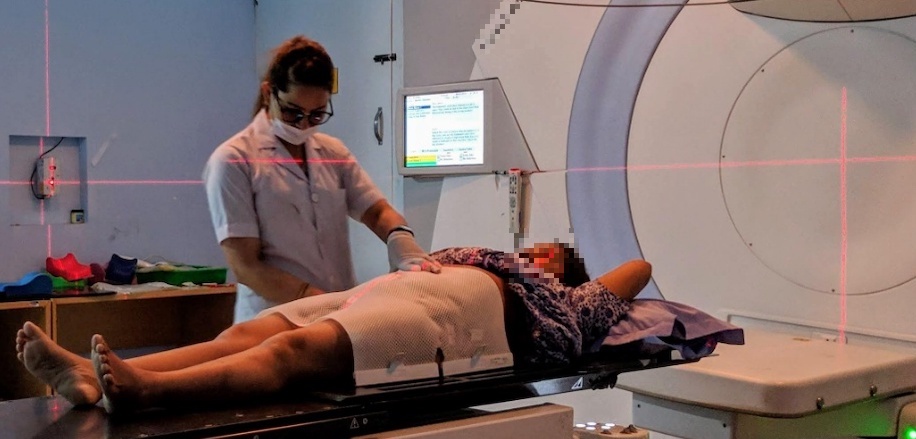
Radiation therapists position you on the LINAC couch using your immobilisation device, align you to reference marks, and deliver the radiation. Each daily session takes approximately 15–30 minutes. The beam delivery itself is completely painless — you simply lie still while the machine works. Most patients attend as outpatients and return home the same day.
Oncology Review & Follow-up
Your oncologist reviews you during the course of treatment to assess your response and manage any side effects. After completing your course, follow-up appointments monitor your recovery and long-term outcomes.
Treatment Schedule
Radiotherapy is typically given Sunday through Thursday, five days a week, on an outpatient basis. The total number of sessions (fractions) varies by cancer type and stage — from a few sessions to several weeks. Your oncologist will discuss the recommended schedule and what to expect during your treatment.