New KCC City Clinic —  New Baneshwor → is now open.
Women's Health · Gynaecological Oncology

Cervical Cancer
can be treated in Nepal

From HPV vaccination to Image-Guided Brachytherapy — complete cervical cancer care is available at Kathmandu Cancer Center. Before travelling to India, speak to us once.

🏆 Nepal's First IGBT — Since 2022 💉 HPV Vaccine Available ✅ Surgery + Radiation Under One Roof
22
new cases per 100,000 women in Nepal each year
>90%
survival when found at Stage I
100%
HPV-driven — preventable with vaccination
Understanding Your Diagnosis

What is cervical cancer?

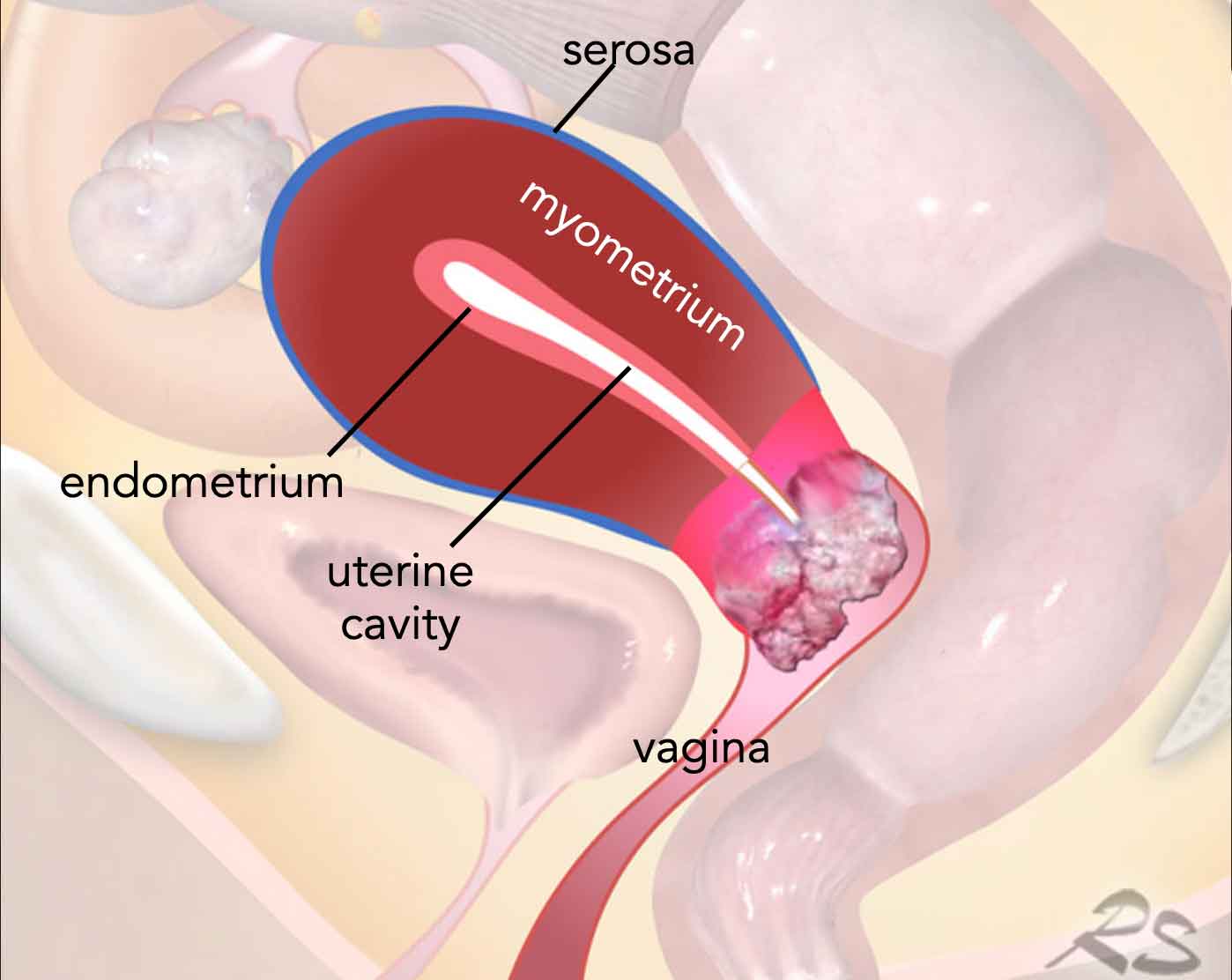
Cervical cancer starts in the cervix — the narrow passage that connects the uterus to the vagina. Almost every case is caused by Human Papillomavirus (HPV), one of the world's most common infections. Most people clear it naturally, but in some women the virus persists for years and, over time, causes normal cells to change.

This change happens slowly — often over 10 to 20 years. That long window before cancer fully develops is what makes screening so powerful: we can find these pre-cancerous changes and treat them before they ever become cancer.

In Nepal, cervical cancer is the second most commonly diagnosed cancer in women, and most patients arrive at a late stage — not because treatment was unavailable, but because screening was missed and early symptoms were dismissed. That is the tragedy this page is trying to address.

Cervical cancer caught early has a cure rate above 90%. Even locally advanced disease — the stage most Nepali women present at — is treated with curative intent at KCC, using the same protocols as leading international cancer centres.
🛡️
HPV infection
Prevented by vaccine
🔍
Pre-cancer (CIN)
Found by screening
⚕️
Early cancer
Cured by surgery
💊
Advanced cancer
Chemoradiation + IGBT
⚠️
Early cervical cancer has no symptoms. By the time symptoms appear, the cancer is often at a more advanced stage. Screening — not waiting for symptoms — is the only reliable way to find it early.
📋 At a Glance
Doctor-reviewed · not personal advice
Disease
Cervical Cancer (Ca Cervix)
ICD-10: C53
Cause
HPV 16 & 18 — responsible for ~70% of cases
Types
Squamous cell (70–80%) · Adenocarcinoma (15–20%)
Risk
Women 30–60 · unscreened · smokers
At KCC
Surgery · Chemoradiation · IGBT First in Nepal
🩺 Reviewed by the KCC Gynaecological Oncology Team — Surgery · Radiation Oncology · Medical Oncology
Warning Signs

Symptoms of cervical cancer

Most women with early cervical cancer feel completely normal. That is precisely why the warning signs below — when they do appear — must be taken seriously.

🩸
The most important sign: bleeding after sex. Any vaginal bleeding after intercourse — even once — in a woman of any age needs a gynaecological evaluation. It should not be dismissed as "just dryness" or "nothing to worry about."
Symptoms that need a doctor visit
🩸
Bleeding after sex
The hallmark warning sign. Even once. Even if it stops quickly.
🔄
Bleeding between periods
Spotting or bleeding at times other than the normal monthly cycle.
🚫
Postmenopausal bleeding
Any vaginal bleeding after 12 or more months without a period. Always abnormal.
💧
Unusual discharge
Watery, blood-tinged, or foul-smelling discharge that is new or changed.
😣
Pelvic pain
Persistent lower abdominal pressure or pain, including during intercourse.
Signs of more advanced disease
🦵
Leg swelling or pain
One-sided leg swelling or sciatica-type pain — may mean lymph nodes are involved.
🚿
Urinary or bowel changes
Difficulty passing urine, blood in urine, or changed bowel habits from tumour pressure.
⚖️
Unexplained weight loss
Losing weight without trying, with persistent tiredness.
💌
A message to family members: Many Nepali women delay seeing a doctor because they feel embarrassed, or because a husband or mother-in-law reassures them it will pass. If your wife, mother, or sister has mentioned postcoital bleeding or unusual discharge — please help her make that appointment. This is not something that resolves on its own. Early cervical cancer is almost always curable. That window closes with delay.
💬 Book a Gynaecological Evaluation
Prevention & Protection

How to prevent cervical cancer

Cervical cancer is among the most preventable cancers that exist. Three things, used together, can reduce a woman's lifetime risk to almost nothing.

HPV Vaccination
The single most powerful prevention step
  • Best for girls aged 9–14 (2 doses, 6 months apart)
  • Catch-up vaccination available to age 26 (3 doses)
  • Gardasil-9 protects against HPV 16, 18 and 7 other strains
  • Prevents 90% of cervical cancers if given before exposure
  • Safe and government-approved
  • Available at KCC and KCC City Clinic, New Baneshwor
🔬
Regular Screening
Catches pre-cancer before it becomes cancer
  • VIA — simple, immediate result, no lab required
  • Pap smear — every 3 years from age 21
  • HPV DNA test — most accurate; every 5 years from age 30
  • Takes 5 minutes and is virtually painless
  • Abnormal results are treated before cancer develops
  • All tests available at KCC
🌿
Lifestyle
Reduces factors that help HPV persist
  • Stop smoking — it significantly raises cervical cancer risk
  • Treat other infections promptly — they weaken local immunity
  • Eat nutritiously and stay active
  • Know the warning signs — early reporting saves lives
  • Keep annual health check-ups even when feeling well
👧
To parents of school-age daughters: Vaccinating your daughter against HPV is the single most effective step you can take to protect her from cervical cancer. The vaccine is safe, government-approved, and available at KCC City Clinic. Call 01-5091629 to arrange it.
Early Detection

Cervical cancer screening at KCC

Cervical cancer has a pre-invasive phase that lasts up to 20 years. Screening finds these changes and treats them before they ever become cancer — one of the most effective interventions in all of medicine.

Test Who it's for How often What it finds At KCC
VIA
Visual Inspection
Women 30+, any setting Every 3–5 years White patches showing pre-cancer; result in minutes ✓ Yes
Pap Smear Women from age 21 Every 3 years Abnormal cells on the cervix ✓ Yes
HPV DNA Test
Preferred 30+
Women 30–65 Every 5 years High-risk HPV strains — most sensitive screening available ✓ Yes
Colposcopy + Biopsy Abnormal Pap / HPV / VIA When indicated Precise extent of CIN; definitive diagnosis ✓ Yes
LEEP / LLETZ CIN 2–3 confirmed Once (curative) Removes pre-cancerous area entirely — prevents cancer ✓ Yes
🏥
At KCC, all screenings are carried out by trained female health workers in a private, respectful environment. Results are explained in plain language. Multiple tests can be done in a single visit. Reports are also available via WhatsApp.
🔬 Book Cervical Screening 💬 WhatsApp for Appointment
Your Journey at KCC

Step by step: what happens at KCC

Every patient follows a structured, internationally recognised sequence. Here is what to expect from first visit to follow-up.

1
Step 1
Confirmation & staging

We begin with a colposcopy-guided biopsy to confirm the diagnosis. This is followed by pelvic MRI to map the tumour precisely, and a CT scan to check whether cancer has spread beyond the cervix. Staging is assigned using FIGO 2018 criteria — this determines your treatment plan.

BiopsyMRI PelvisCT CAPBlood Panel
2
Step 2
Tumour board review

Your case is discussed at KCC's weekly joint tumour board — gynaecological surgeons, radiation oncologists and medical oncologists together. No single specialist decides alone. A treatment plan is built around your stage, your tumour's characteristics, your fertility wishes, and your overall health. You will be told exactly what is recommended and why.

Surgical OncologyRadiation OncologyMedical Oncology
3
Step 3
Definitive treatment

Depending on your stage, you will proceed to either: radical surgery (for early disease, Stage IA2–IIA), or concurrent chemoradiation (for locally advanced disease, Stage IIB and beyond). Both approaches are curative in intent. Fertility wishes are discussed before treatment begins in all women of reproductive age.

Surgery (Stage I–IIA)Chemoradiation (IIB+)
4
Step 4 · KCC Signature
Image-Guided Brachytherapy (IGBT)

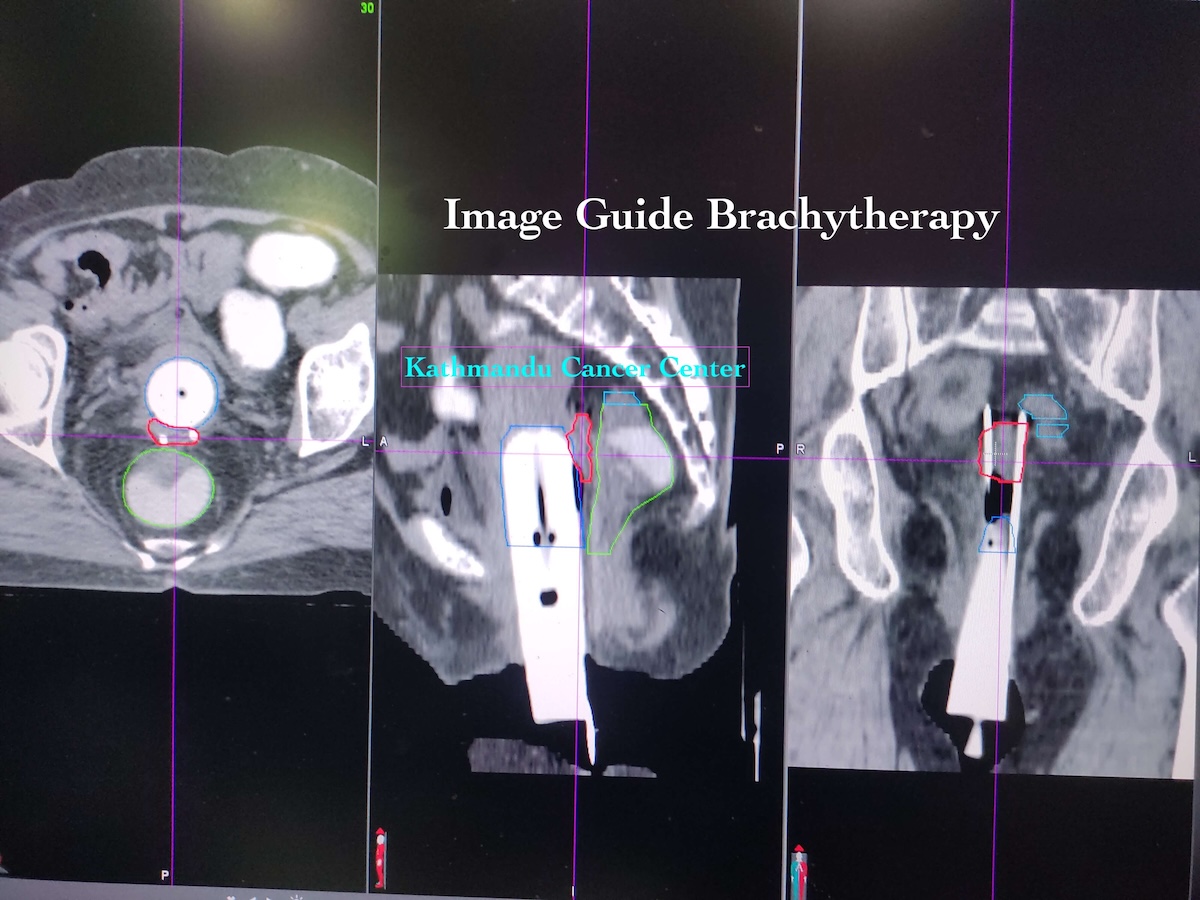
For patients receiving chemoradiation, IGBT is the essential final step. A radiation source is placed directly inside the tumour under MRI or CT guidance — typically 3 to 5 sessions. This delivers a concentrated curative dose to remaining cancer cells while protecting the bladder, rectum and bowel immediately around them. Omitting brachytherapy reduces cure rates by 10–12 percentage points. KCC introduced IGBT first in Nepal in 2022 and follows GEC-ESTRO international protocols.

🏆 Nepal's First IGBTMRI/CT-GuidedGEC-ESTRO
5
Step 5
Follow-up & survivorship

After treatment ends, KCC follows up at 3 months, then every 3 months for 2 years, then 6-monthly to 5 years. Imaging is arranged as needed. Lymphoedema management, sexual health support, and psychological care are available within KCC. Our goal is not just cure — it is a full return to life.

Clinical ReviewImagingSurvivorship Care
⏱ Typical Timeline
Staging workup: 5–7 days
Tumour board: Within 1 week
Surgery (early stage): 3–5 days hospital, then recovery at home
Chemoradiation: 5–6 weeks, daily outpatient
IGBT brachytherapy: 3–5 sessions, ~2 weeks
First follow-up: 4–6 weeks post-treatment
📤 Have reports from another hospital?

Send your biopsy, MRI or previous treatment summary via WhatsApp. Our team reviews within 24 hours and advises you directly — no travel needed for an initial assessment.

📤 Send Reports via WhatsApp
Treatment Modalities

How cervical cancer is treated at KCC

KCC provides the complete spectrum of treatment — all under one roof. Your plan will depend on stage, tumour size, and what matters to you.

🔪
Surgical Oncology
Curative surgery for early-stage disease
  • ⚙️
    Radical Hysterectomy (Wertheim's) — complete removal of uterus, cervix, parametria and pelvic lymph nodes; Stage IA2–IB2
  • 🌱
    Fertility-sparing Trachelectomy — cervix removed, uterus preserved; for Stage IA1–IB1 with tumour ≤2 cm in women wishing future pregnancy
  • 🔬
    LEEP/LLETZ — for pre-invasive CIN 2–3
  • 🔍
    Sentinel lymph node biopsy with ICG for selected cases
  • 🤝
    Onco-fertility counselling before surgery in all reproductive-age women
External Beam Radiotherapy
IMRT · VMAT · IGRT — Pelvic chemoradiation
  • 📡
    IMRT/VMAT — radiation beams shaped precisely to tumor
  • 🛡️
    Bowel, bladder and femoral heads carefully protected
  • 🔬
    Best outcome with precision radiotherapy
💊
Chemotherapy & Systemic Therapy
Concurrent, adjuvant & metastatic regimens
  • 💉
    Concurrent cisplatin — weekly during radiotherapy; the standard radiosensitiser
  • 💉
    Carboplatin + Paclitaxel ± Bevacizumab — metastatic/recurrent
  • 🧬
    Pembrolizumab + chemotherapy — for PD-L1-positive disease
  • 🏥
    All infusions in KCC's Day Care Ward — patients return home the same evening
Understanding Your Stage

Early-stage vs locally advanced cervical cancer

The treatment approach, timeline and goals differ depending on the stage at diagnosis. Both are treated with curative intent at KCC.

🟢
Early-Stage
Stage IA1 – IIA2
Treatment
Radical hysterectomy; adjuvant radiotherapy added for high-risk features
Fertility
Trachelectomy possible in selected Stage IA–IB1 patients (≤2 cm tumour)
Duration
3–5 days in hospital; 4–6 weeks recovery at home
Cure rate
Stage I: >90% · Stage IIA: 75–85%
Follow-up
Every 3 months for 2 years, then every 6 months
🔵
Locally Advanced
Stage IIB – IVA
Treatment
Concurrent chemoradiation (EBRT + weekly cisplatin) followed by IGBT brachytherapy
Fertility
Fertility not preserved; ovarian transposition may be considered before radiotherapy in younger women
Duration
5–6 weeks EBRT + 3–5 IGBT sessions; mostly outpatient
Cure rate
Stage IIB–IIIB: 60–75% with modern IGBT-based treatment
Follow-up
3 months post-treatment MRI; then clinical review every 3 months
💡
Most Nepali women present at Stage IIB–IIIB. Even at this stage, locally advanced cervical cancer is treated with curative intent. KCC's IGBT programme means you receive the same treatment standard used at leading international cancer centres — without leaving Nepal, and at a fraction of the cost.
Why Choose KCC

Why patients choose KCC

Complete care. International protocols. Your family close by.

🏆
Nepal's first & only IGBT programme
Introduced in 2022, our IGBT programme follows GEC-ESTRO guidelines with MRI/CT-guided planning. Outcomes are published in international journals. No equivalent centre exists anywhere else in Nepal.
🏥
Surgery and radiation under one roof
Gynaecological surgeons, radiation oncologists and medical oncologists work together at KCC. Your care is never fragmented between hospitals. One team, one plan, one place.
🌱
Fertility-sparing surgery
For young women with early-stage disease, radical trachelectomy preserves the uterus for future pregnancy. Offered with KCC's onco-fertility service — the first in Nepal.
🌐
International treatment protocols
NCCN, ESMO and GEC-ESTRO guidelines form the basis of every plan at KCC — the same standards used at Tata Memorial, UCL, and leading European cancer centres.
💰
60–80% lower cost than India
Radical hysterectomy, chemoradiation and IGBT at KCC cost a fraction of what Apollo, Fortis or Tata Memorial charge — with no travel costs, no hotel bills, no language barrier.
🏠
Your family stays with you
Treatment is hard. Going through it surrounded by the people you love, in your own language, close to your own home — that matters. You do not need to go abroad for that.
🇳🇵 Nepal vs India — Honest Comparison 🔄 Transfer Treatment from India
Our Specialists

The cervical cancer team at KCC

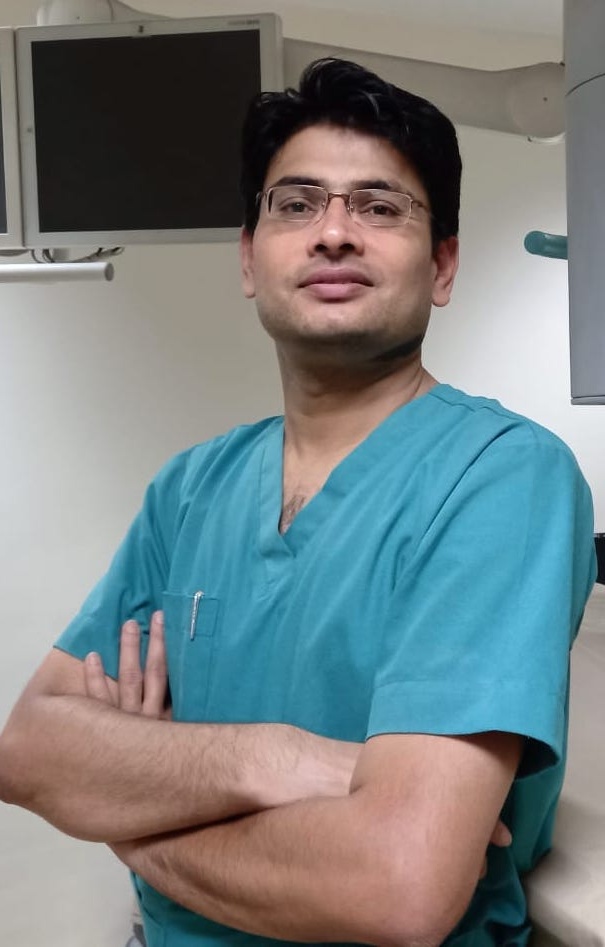
Our gynaecological oncology team brings surgical, radiation and medical expertise together — so care is coordinated from the start, not referred from one specialist to the next.


View All KCC Specialists →
Common Questions

Questions patients ask us

Answers to what we hear most from patients and their families.

Yes. Early-stage cervical cancer (Stage I) treated with surgery has cure rates above 90%. Locally advanced disease — Stage IIB–IIIB, the stage at which most Nepali women present — achieves 60–75% long-term cure with modern chemoradiation and IGBT brachytherapy. The complete treatment pathway is available at KCC. You do not need to go to India.
IGBT (Image-Guided Brachytherapy) places a radiation source directly inside the tumour under MRI or CT imaging. The radiation dose is concentrated exactly where it is needed, while falling off rapidly around nearby organs. For locally advanced cervical cancer, clinical trials consistently show that completing chemoradiation without brachytherapy reduces survival by 10–12 percentage points. It is not optional — it is the standard of care. KCC has offered full IGBT since 2022, the first in Nepal, following GEC-ESTRO protocols.
No. KCC provides the complete cervical cancer pathway — radical surgery, concurrent chemoradiation, IGBT brachytherapy, and systemic therapy including pembrolizumab immunotherapy — at one centre in Kathmandu. Treatment costs 60–80% less than equivalent care at Tata Memorial, Apollo or Fortis. No travel costs, no hotel bills, and your family stays with you throughout.
For very early-stage disease — Stage IA1–IB1, tumour 2 cm or smaller, no lymph node involvement — a radical trachelectomy removes the cervix while preserving the uterus, making future pregnancy possible. This is offered at KCC in partnership with our onco-fertility service, the first in Nepal. For larger early-stage tumours requiring hysterectomy, ovarian function can still be preserved in younger women. Fertility wishes are discussed with the surgeon before any treatment begins.
The brachytherapy applicator placement causes some discomfort, but it is done under local or short general anaesthesia at KCC. Most patients describe it as manageable, and most go home the same day after each session. The radiation delivery itself is painless — the source is in place for a few minutes and you feel nothing during it.
For early-stage surgery: 3–5 days in hospital, then 4–6 weeks of recovery at home. For chemoradiation: 5–6 weeks of daily outpatient radiotherapy (Monday to Friday) with weekly cisplatin infusions, followed by 3–5 IGBT brachytherapy sessions over roughly 2 weeks. Most patients receiving chemoradiation do not need to be admitted — they attend KCC daily and go home each evening.
Yes. Send your biopsy report, MRI, CT or previous treatment records via WhatsApp to 9818-226237. Our specialists review within 24 hours and advise you on the best next step. No in-person visit is required for the initial review. If treatment at KCC is appropriate, we arrange a prompt appointment with the relevant specialist.
KCC's main hospital is in Tathali, Bhaktapur, with Ring Road pickup available. A second clinic is open in New Baneshwor, Kathmandu. Send reports via WhatsApp first for a remote assessment — this avoids unnecessary travel. Our patient guide has accommodation options near the hospital for families travelling from outside the valley. Call 01-5091629 or WhatsApp 9818-226237 to plan your first visit.

Ready to take the next step?

Whether you need screening, a second opinion, or want to start treatment — our team is ready. Most patients get an appointment within 48 hours.

🇳🇵 नेपालीमा पनि उपलब्ध छ

पाठेघरको मुखको क्यान्सरको बारेमा सम्पूर्ण जानकारी — लक्षण, रोकथाम, र KCC मा उपलब्ध उपचार — नेपाली भाषामा पढ्न सक्नुहुन्छ।

🇳🇵 नेपालीमा पढ्नुहोस् →