 Kathmandu
Cancer Center
Kathmandu
Cancer Center
Kathmandu
Cancer Center
Kathmandu
Cancer Center
Hearing the word "cancer" is frightening. But you are not alone. At KCC, we offer complete, compassionate care for cancers of the mouth, throat, voice box and more. Our goal is to cure the disease while protecting your voice, your smile and your ability to eat and live well.
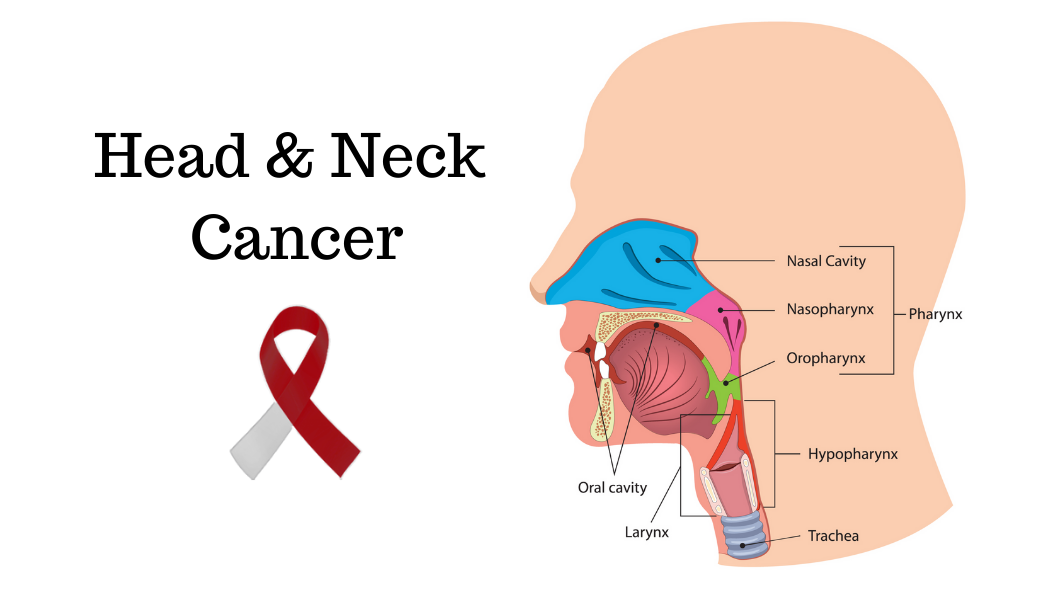
Oral cancer is the most common cancer in Nepali men
Tobacco, gutka and betel nut use are the main causes. The good news: most cases are preventable, and today's treatments are better than ever at preserving your quality of life.
Many people ignore these signs, thinking they are just minor infections. If you experience any of the following for more than three weeks, please come to KCC for a check-up.
Any sore, white patch or red patch inside your mouth that does not heal after 3 weeks needs to be examined. These can be early signs of oral cancer.
A firm, painless lump in the neck that doesn't go away can be a sign of cancer spread. Do not wait – get it checked.
If your voice sounds different for more than three weeks – especially if you smoke – you should have your voice box examined.
Feeling that food is stuck, or pain while swallowing, can be a warning sign of throat or voice box cancer.
Gutka, khaini, pan masala and betel nut are widely used in Nepal. They contain chemicals that cause cancer. If you use these, you are at higher risk. Stopping now is the single most important thing you can do to protect your health.
Every patient is different. Our team will design a treatment plan that fits your specific type of cancer, your health and your personal goals.
IMRT is a modern form of radiation that delivers high‑dose beams directly to the tumour while protecting healthy tissues nearby. For head and neck cancers, we use parotid‑sparing IMRT – this means we protect your saliva glands, so you are much less likely to suffer from severe dry mouth after treatment.
With older radiation, dry mouth affected about 70% of patients. With our parotid‑sparing IMRT, that number drops to less than 20% – so you can continue to eat, speak and sleep comfortably.
If you are given IMRT, you will come to the hospital daily (Monday–Friday) for about 7 weeks. Each session is quick and painless – like getting an X‑ray. Our team will be with you to manage any side effects and keep you as comfortable as possible.
For cancers of the mouth, tongue, voice box or salivary glands, surgery is often the main treatment. Our surgical team is highly experienced in delicate operations that remove the cancer while preserving as much normal function as possible.
We carefully remove the cancer from the tongue, cheek, floor of mouth or palate. For larger tumours, we may need to remove part of the jawbone, but we always plan to restore your ability to chew and speak.
If the cancer is advanced and cannot be treated with radiation alone, we may need to remove the voice box. This is a major operation, and we will talk with you about voice rehabilitation options afterwards.
Cancer often spreads to the lymph nodes in the neck. We remove these nodes to prevent the cancer from coming back. We take great care to protect your shoulder and neck muscles.
For early-stage cancers of the tongue, floor of the mouth or lip, we can use a special technique called brachytherapy. Small needles are placed directly into the tumour, and a radiation source passes through them to deliver a very high dose of radiation to the cancer while protecting the jawbone and healthy tissues. The treatment usually takes about a week.
We have a dedicated brachytherapy unit. For eligible patients, this can be a quick and effective alternative to surgery or prolonged external radiation. Ask your doctor if you are a candidate.
In addition to radiation and surgery, we use modern drugs to treat head and neck cancers – either to make radiation work better, or to treat cancer that has spread.
These drugs are often given together with radiation to make it more effective. They are given through a drip (IV) at our day care unit.
Cetuximab attacks a specific protein on cancer cells. It can be used with radiation or alone for patients who cannot have chemotherapy.
These drugs help your own immune system recognise and attack cancer cells. They are used for advanced or recurrent cancers and have shown excellent results in many patients.
Some cancers of the throat (oropharynx) are caused by the HPV virus. These cancers respond very well to radiation and chemotherapy – with cure rates of 80‑90%. At KCC, we test all throat cancer biopsies for HPV so we can give you the most accurate prognosis and treatment.
The HPV vaccine protects against the viruses that cause throat and cervical cancers. It is recommended for adolescents. Ask your doctor about vaccination for your children.
You will meet our specialist, have a physical exam, and undergo tests such as biopsy, CT scan or ultrasound. We will explain everything in detail.
Our doctors – surgeon, radiation oncologist, medical oncologist – discuss your case together and agree on the best plan. You are at the centre of this decision.
You will receive your treatment (radiation, surgery, chemotherapy) with ongoing care for side effects. Our nurses and counsellors are here for you and your family.
City Clinic – New Baneshwor · Main Campus – Bhaktapur
Learn about cancers of the tongue, cheek, lip and floor of the mouth. Click below for English or Nepali.
Thyroid nodules and cancers are very treatable. Learn about diagnosis and treatment at KCC.
Information coming soon. In the meantime, please contact us for any questions.
 Book Appointment