 Kathmandu
Cancer Center
Kathmandu
Cancer Center
Kathmandu
Cancer Center
Kathmandu
Cancer Center
A persistent cough, blood in sputum, or a CT scan showing a lung shadow can be frightening. The good news is that complete lung cancer treatment is now available in Nepal — including surgery, chemotherapy, precision radiotherapy, targeted therapy, and immunotherapy.
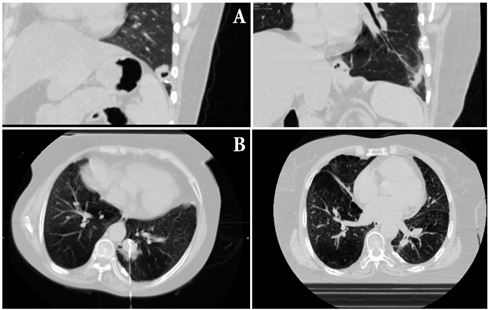
Lung cancer is not one single disease. The exact type found on biopsy decides which treatment will work best. This is why biopsy confirmation is always necessary before starting treatment.
This is the most common type of lung cancer. Many patients with this type can receive surgery, chemotherapy, radiation, targeted therapy, or immunotherapy depending on stage and test results.
This type usually grows faster and often spreads early, but it can respond quickly to chemotherapy and radiation. Treatment should begin without unnecessary delay after proper diagnosis.
Hearing the words “lung cancer” is deeply unsettling for any family. But not every diagnosis means the same outcome. Some patients are diagnosed at a curable stage, and many others can still receive treatment that controls disease, improves breathing, and adds meaningful time with better quality of life.
The first step is proper staging, biopsy review, and deciding whether surgery, chemotherapy, targeted medicine, or immunotherapy is most suitable.
Every lung cancer patient is evaluated by oncology specialists using:
This helps avoid starting the wrong treatment too early.
Lung cancer treatment has changed significantly in the last decade. Today, many advanced patients are no longer limited to conventional chemotherapy alone. Depending on tumour testing, they may qualify for more precise and often better tolerated medicines.
Before deciding treatment for advanced lung cancer, KCC may perform molecular and biomarker testing on the biopsy sample. This helps identify whether your cancer is suitable for targeted tablets or immunotherapy rather than routine chemotherapy alone.
Some lung cancers carry special mutations that can be controlled using oral medicines taken at home. These tablets directly attack the growth signal of the cancer and are often better tolerated than IV chemotherapy.
Immunotherapy helps the body's immune system recognize and fight cancer cells. In selected patients, it can significantly improve control and survival, either alone or together with chemotherapy.
Chemotherapy is still an important treatment for many lung cancer patients. It may be used alone, combined with immunotherapy, before surgery, after surgery, or together with radiotherapy depending on the stage and biopsy findings.
It is natural to feel anxious when chemotherapy is advised. Many people still imagine severe vomiting, unbearable weakness, or constant hospitalization. In reality, supportive medicines and modern oncology protocols have made chemotherapy far more manageable than it used to be, and most side effects can be anticipated and controlled.
Radiotherapy uses focused high-energy beams to destroy cancer cells. It may be used with curative intent, combined with chemotherapy, or for symptom relief when the tumour causes pain, bleeding, breathing difficulty, or pressure symptoms.
Often used in stage III lung cancer when surgery is not the best option. Chemotherapy and precision radiation are given together to control the chest disease aggressively.
→ Common for locally advanced diseaseModern planning allows radiation dose to be shaped around the tumour while protecting the healthy lung, heart, and spinal cord as much as possible.
→ Safer targeted radiationShort-course radiation can quickly reduce bleeding, bone pain, airway compression, chest pain, or pressure symptoms caused by advanced cancer.
→ Fast symptom reliefSome patients who are not fit for surgery may still receive definitive high-dose radiation with curative intent after specialist evaluation.
→ Depends on stage and fitnessOne of the first questions families ask is whether lung cancer is curable. The honest answer is: some early-stage lung cancers can be cured, and many advanced lung cancers can still be controlled for meaningful periods. The exact plan depends on how far the disease has spread.
| Stage | What it means | Usual Treatment Approach |
|---|---|---|
| Stage I | Cancer limited inside lung | Surgery is often the best option. Some non-surgical patients may receive precision radiotherapy with curative intent. |
| Stage II | Larger tumour or nearby node involvement | Surgery followed by chemotherapy is common. Some patients need combined treatment planning. |
| Stage III | More locally advanced chest disease | Combination treatment using chemotherapy, radiotherapy, and sometimes surgery after specialist review. |
| Stage IV | Cancer spread to other organs | Usually treated with targeted therapy, immunotherapy, chemotherapy, and symptom-control radiation. Many patients still receive meaningful long-term disease control. |
| Small Cell | Fast-growing subtype | Mainly treated with chemotherapy ± immunotherapy and radiotherapy depending on spread. |
Many families think stage 4 lung cancer means nothing can be done. This is not correct. Modern targeted tablets, immunotherapy, chemotherapy, and palliative radiation can often reduce symptoms, improve breathing, and control disease for months to years depending on tumour biology and response.
Treatment should not start based only on an X-ray suspicion. Proper diagnosis means knowing the exact type, stage, and whether special medicines may help.
Review of symptoms, smoking history, previous scans, and overall health condition.
To understand the size of the lung mass and whether disease has spread.
A tissue sample is taken to prove cancer and identify the exact type.
Selected patients undergo molecular or biomarker testing to see whether targeted therapy or immunotherapy is suitable.
The oncology team decides whether surgery, chemotherapy, radiation, targeted medicine, or combination treatment is best.
If you already have CT reports, biopsy reports, or treatment advice from another hospital in Nepal or India, KCC can review them and guide whether the current plan is appropriate or if better options are available. Request second opinion →
Many lung cancer patients ignore symptoms for months because they think it is only smoking cough, chest infection, asthma, or weakness. Please do not delay evaluation if these symptoms persist.
Smokers, former smokers, people with long-term indoor smoke exposure, and those with repeated unexplained cough should not keep taking antibiotics repeatedly without proper chest evaluation.
Whether you are newly diagnosed, already advised chemotherapy elsewhere, looking for targeted therapy, or seeking a second opinion before going to India — Kathmandu Cancer Center can review your reports and guide the next step.
New Baneshwor City Clinic · Main Cancer Campus Tathali Bhaktapur · नेपालीमा पढ्नुहोस्
Need help understanding a CT scan, biopsy result, or outside treatment advice? Our oncology team can guide the next step before treatment starts. Send Reports for Review →