
 Book Appointment

Bone Marrow Cancer in Nepal: What It Means, Symptoms, & Treatment
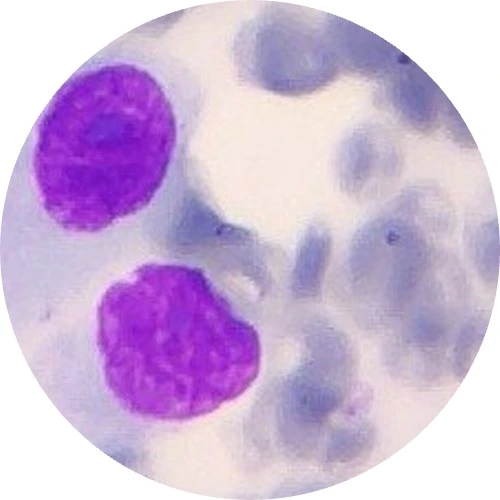
In Nepal, people often say "bone marrow cancer" when talking about serious blood disorders. Technically, doctors do not use this exact diagnosis. Instead, it is an informal phrase used to describe several types of blood cancer that start inside the bone marrow - the soft, spongy center of your bones where blood cells are made.
If a doctor or a blood report mentions Leukemia, Multiple Myeloma, or Lymphoma, this is usually what people mean when they say "bone marrow cancer."
What Does "Bone Marrow Cancer" Actually Mean?
Your bone marrow acts as a factory producing three vital components: red blood cells (for oxygen), white blood cells (to fight infection), and platelets (to stop bleeding). When cancer develops in the marrow, it creates abnormal cells that crowd out these healthy blood cells.
When patients ask us about bone marrow cancer at Kathmandu Cancer Center, we are usually talking about one of three specific conditions:
1. Multiple Myeloma
This cancer starts in plasma cells inside the bone marrow. Because plasma cells live in the bone space, myeloma directly weakens bone structure.
Key signs: Back pain, bone fractures from minor movement, unexplained fatigue, and kidney issues.
- Who gets it: Most common in adults over 50.
2. Leukemia
Leukemia occurs when the bone marrow produces too many abnormal, immature white blood cells.
Types: It can be acute (fast-growing, like ALL or AML) or chronic (slow-growing, like CML or CLL).
- Who gets it: It affects both adults and children. Childhood ALL, for instance, has a cure rate above 80% with modern protocol treatment.
3. Lymphoma & MDS (Bone Marrow Failure)
- Lymphoma: Primarily affects the lymphatic system, but frequently spreads into the bone marrow.
- Myelodysplastic Syndromes (MDS): A group of conditions where the marrow produces poorly formed blood cells, which can sometimes progress to acute leukemia if untreated.
Warning Signs to Watch For
Because the bone marrow controls your blood counts, symptoms usually show up as a shortage of normal blood cells:
- Unusual tiredness & weakness: Feeling constantly exhausted due to low red blood cells (anaemia).
- Frequent Fevers or Infections: Catching infections easily because you lack healthy white blood cells.
- Easy Bruising or Bleeding: Unexplained marks on the skin, frequent nosebleeds, or bleeding gums due to low platelets.
- Unexplained Bone Pain: Deep aches in the back, ribs, or hips that do not go away with rest.
- Night Sweats & Weight Loss: Dropping weight quickly without trying.
If you or a family member notice two or more of these symptoms lasting longer than two weeks, book a basic blood test (CBC) with a doctor.
How We Diagnose Blood & Bone Marrow Cancers in Kathmandu
Getting an exact diagnosis is critical because treatment for Leukemia is completely different from treatment for Myeloma. Diagnostic steps include:
- Complete Blood Count (CBC) & Smear: Checking cell levels and examining blood under a microscope for abnormal "blast" cells.
- Bone Marrow Aspiration & Biopsy: Taking a tiny sample of fluid and tissue from the back of the hip bone under local anaesthesia to examine the cell factory directly.
- Flow Cytometry & Molecular Testing: Specialized testing to look at genetic markers, helping us pick targeted drugs that work specifically for your cancer type.
Is Bone Marrow Cancer Curable in Nepal?
Yes. Many blood cancers involving the bone marrow are highly treatable, and several types can be cured or managed as a chronic condition for years.
In the past, many families felt they had to travel to India for complex blood cancer care. Today, international-standard treatment following global guideline treatment is fully available in Kathmandu:
- Targeted Daily Pills: For conditions like CML, daily oral targeted therapy allows patients to lead normal, healthy lives without traditional chemotherapy.
- Protocol Chemotherapy & Immunotherapy: Modern treatment combinations delivered by specialist team.
- CAR-T Cell Therapy: Advanced cellular therapy for relapsed blood cancers where a patient's own immune cells are reprogrammed to fight cancer. KCC offers Nepal’s first CAR-T assessment clinic.
Frequently Asked Questions
Is bone marrow cancer the same as blood cancer?
Yes. "Bone marrow cancer" is an informal term used by patients for blood cancers that start inside the marrow, including leukemia, multiple myeloma, and myelodysplastic syndrome (MDS).
Is bone marrow cancer hereditary?
Rarely. Most blood cancers develop from random gene mutations acquired during a person's life, not traits inherited from parents. Having a relative with blood cancer does not mean you will get it.
Do I need to travel abroad for blood cancer treatment?
No. Complete diagnostics, pediatric and adult chemotherapy, targeted therapies, and cellular therapy consultations are fully available in Kathmandu.
Get Expert Guidance at Kathmandu Cancer Center
If you have an abnormal blood test result or need a second opinion on a suspected blood disorder, our Haemato-Oncology team is here to help.
- Learn More: Read our detailed guide on Blood Cancer Treatment in Nepal.
- Visit Us: Main campus in Bhaktapur (Tathali) or City Clinic in New Baneshwor.
- WhatsApp Your Reports: Send recent CBC or biopsy reports directly to +977 9818226237 for guidance from our care team.
Book an Appointment at KCC
Kathmandu [City Clinic ,New baneshwor] · Bhaktapur [Hospital,Tathali] ·
Request an Appointment (Whatsapp) →