 Kathmandu
Cancer Center
Kathmandu
Cancer Center
Kathmandu
Cancer Center
Kathmandu
Cancer Center
Most abnormal blood reports we see in Nepal turn out to be iron deficiency, a recent viral fever, or an inherited but manageable condition — not cancer. Our hematology team reads the whole picture, tells you plainly what your result means, and treats you here whether the answer is simple or serious.
A dedicated team of this size for hematology alone is uncommon in Nepal. Every complex case is reviewed by all four before a plan is set.
Clinical Haematology
MBBS · FCPS Clinical Haematology
Benign & malignant blood disorders
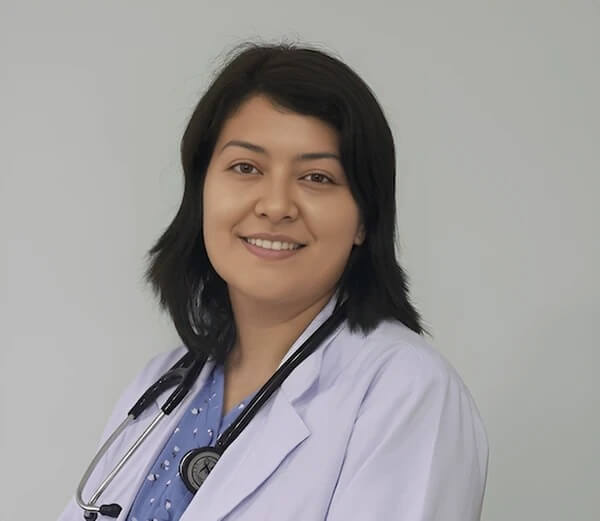
Haemato-Oncology
MBBS · FCPS Clinical Haematology
Leukemia, lymphoma & bone marrow transplant
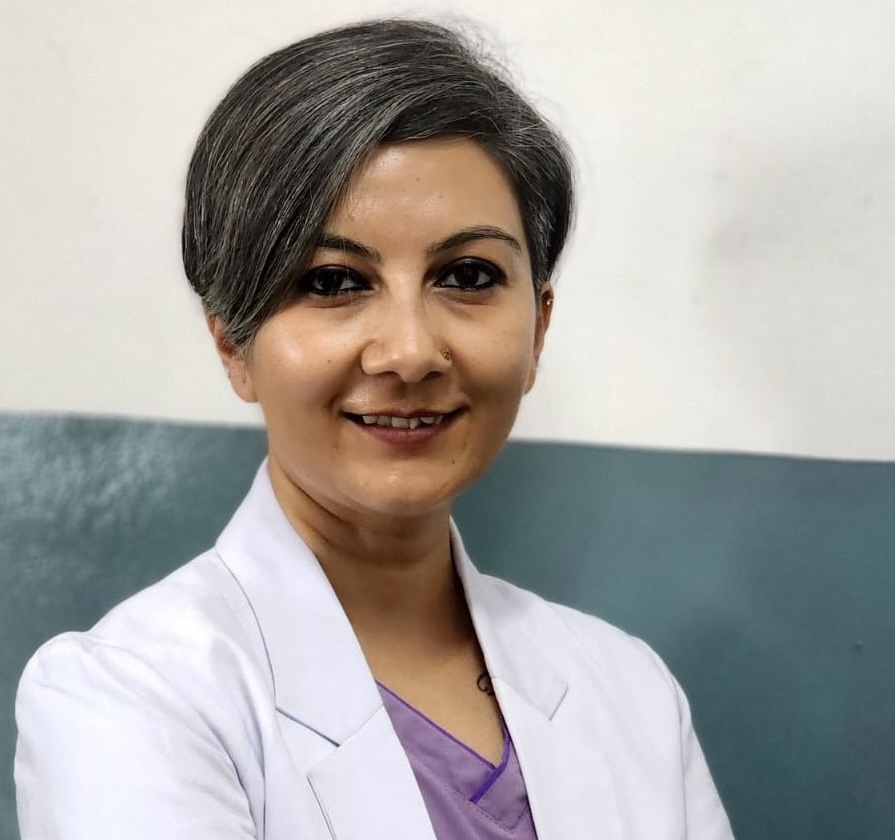
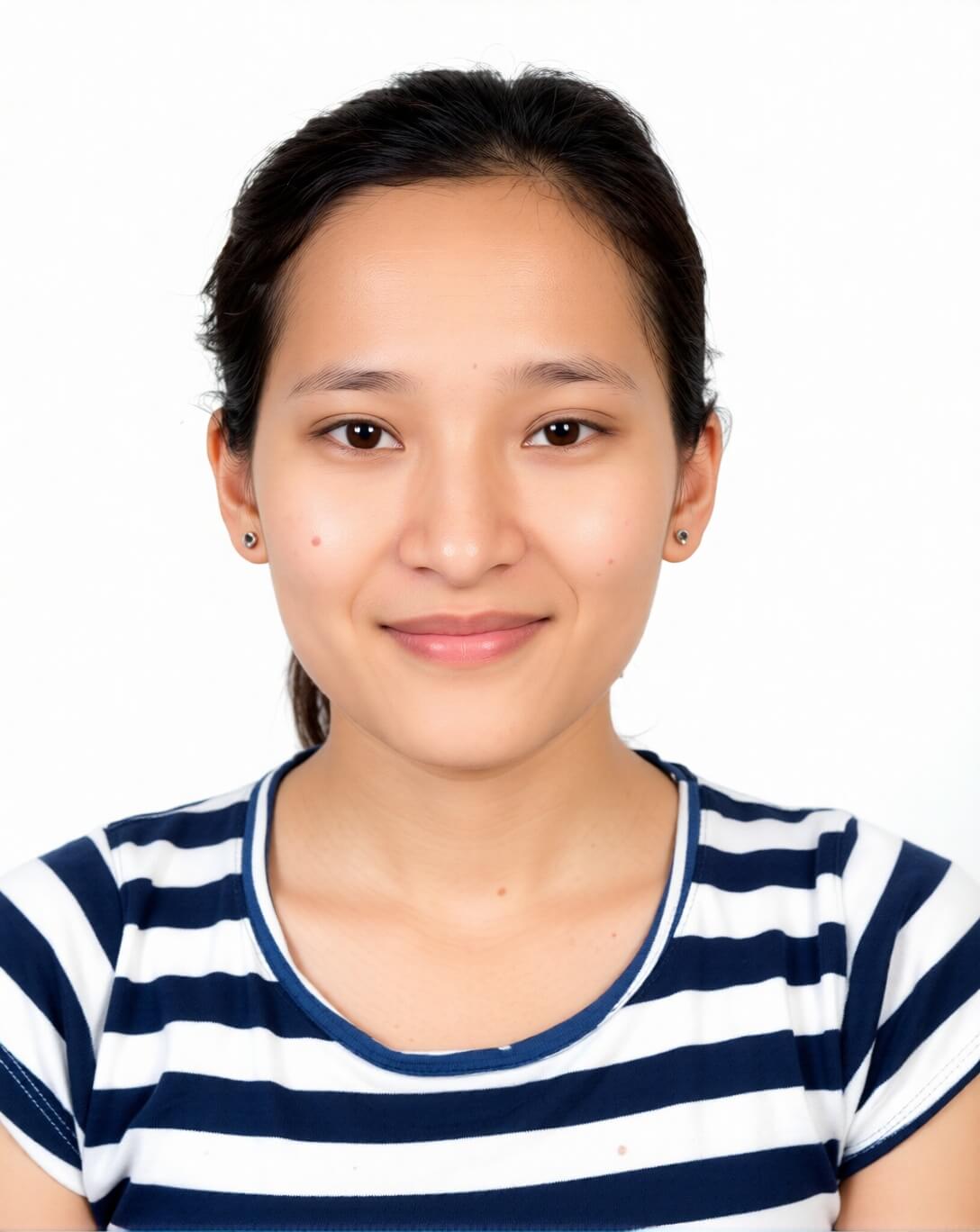
Haemato-Oncology
MBBS · FCPS Clinical Haematology
Leukemia, lymphoma, myeloma & CAR-T cell therapy
Often iron or B12 deficiency — go for test and treatment.
See likely causesSometimes abnormal report or number is minor issue; but somethimes it is worth checking with blood speacilist.
Concerned about your results? Read our guide on what to do if you have an abnormal blood report.
Leukemia, lymphoma, or myeloma — treated here with KCC's full oncology infrastructure.
Know more about blood cancer and treatment. Read our guide on how we treat blood cancers (also available in नेपाली / Nepali).
A hematologist evaluates disorders affecting red blood cells, white blood cells, platelets, blood clotting, and the bone marrow. You may be referred to one because of an abnormal CBC, anemia, an unexplained change in platelet or white-cell counts, recurrent infections, unusual bleeding or bruising, enlarged lymph nodes, or a suspected bone-marrow disorder.
At KCC, the same specialists who evaluate these common — and usually benign — findings also treat the smaller number of cases that turn out to be blood cancer, using the hospital's full pathology, imaging, and oncology infrastructure rather than referring that step elsewhere.
Organized by what actually brings people in, not by medical terminology.
Low or high hemoglobin, low or high platelets, low or high white blood cells, pancytopenia, persistently abnormal CBC.
Easy bruising, bleeding disorders, prolonged PT/INR or aPTT, blood clots (DVT), abnormal D-dimer.
Thalassemia, sickle cell disease, other hemoglobin disorders, G6PD deficiency.
Iron deficiency, vitamin B12 deficiency, folate deficiency.
Leukemia, lymphoma, multiple myeloma, myelodysplastic syndromes, myeloproliferative neoplasms.
Aplastic anemia, myelofibrosis, and other causes of marrow failure.
Nepal's 2016 Demographic and Health Survey found roughly 4 in 10 women of reproductive age were anemic, mostly from low iron intake or heavy monthly bleeding no one has checked. Strict vegetarian diets can run low on B12. Viral fevers like dengue commonly drop platelet counts for a week or two before they recover on their own. And inherited conditions — thalassemia trait, and sickle cell disease more common among Tharu and other Terai communities — are often misdiagnosed as simple iron deficiency for years. Many of these patients travel to us from Province 2, Lumbini, and elsewhere in the Terai specifically for a correct diagnosis.
Read the full guide to what an abnormal blood report means →
Any one of these on its own is usually minor. It's worth a visit if you notice:
Tiredness, paleness, or breathlessness that doesn't improve with rest.
Bruises or bleeding that happen more easily than usual.
Infections or fevers that keep coming back.
In the neck, underarm, or groin.
Unexplained weight loss or drenching night sweats.
More than one number marked outside the normal range.
| Report finding | Common causes | When further evaluation is needed |
|---|---|---|
| Low hemoglobin | Iron/B12/folate deficiency, blood loss, chronic illness | Persistent, severe, or unexplained anemia |
| Low platelets | Viral infection (e.g. dengue), certain medicines, ITP | Persistent, very low, or with bleeding |
| High WBC | Infection, inflammation, certain medicines, smoking | Persistent, very high, or with other symptoms |
| Low WBC | Viral illness, certain medicines, nutritional deficiency | Persistent or with recurrent infections |
| High platelets | Infection/inflammation, iron deficiency | Persistent, unexplained elevation |
| Multiple abnormal counts | Infection, deficiency, or a marrow-related cause | Always worth a specialist assessment |
This is a general guide, not a diagnosis. The only way to tell the difference for certain is a blood test — which is exactly why we start every visit with one.
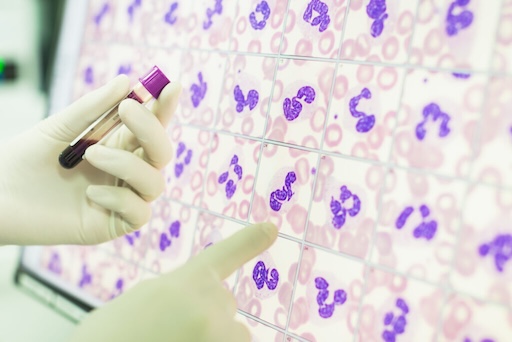
We repeat your complete blood count and examine your blood under a microscope. This alone answers most questions.
Iron, B12, and folate levels are checked when the pattern points to a nutritional cause.
Used when anemia doesn't improve with iron, to rule in or out thalassemia and sickle cell.
Only when simpler tests haven't given a clear answer — not a routine step.
You leave with a plain-language explanation of your results and a clear next step.
It's a short outpatient procedure done under local anaesthesia, usually 15–20 minutes. Most patients feel pressure rather than sharp pain, and it's only ordered when simpler tests haven't given a clear answer.
For most patients, a repeat CBC and blood film is enough to reach an answer- bone marrow testing is the exception, not the rule.
Iron, B12, and folate replacement, with follow-up testing to confirm recovery.
Monitoring and treatment for low platelet counts, including post-viral drops and ITP.
Testing, counselling, and ongoing management for inherited blood conditions.
Protocol-guided treatment for blood cancers, backed by KCC's full oncology infrastructure.
Safe, monitored blood and platelet transfusion for patients who need it from our in-house blood bak services.
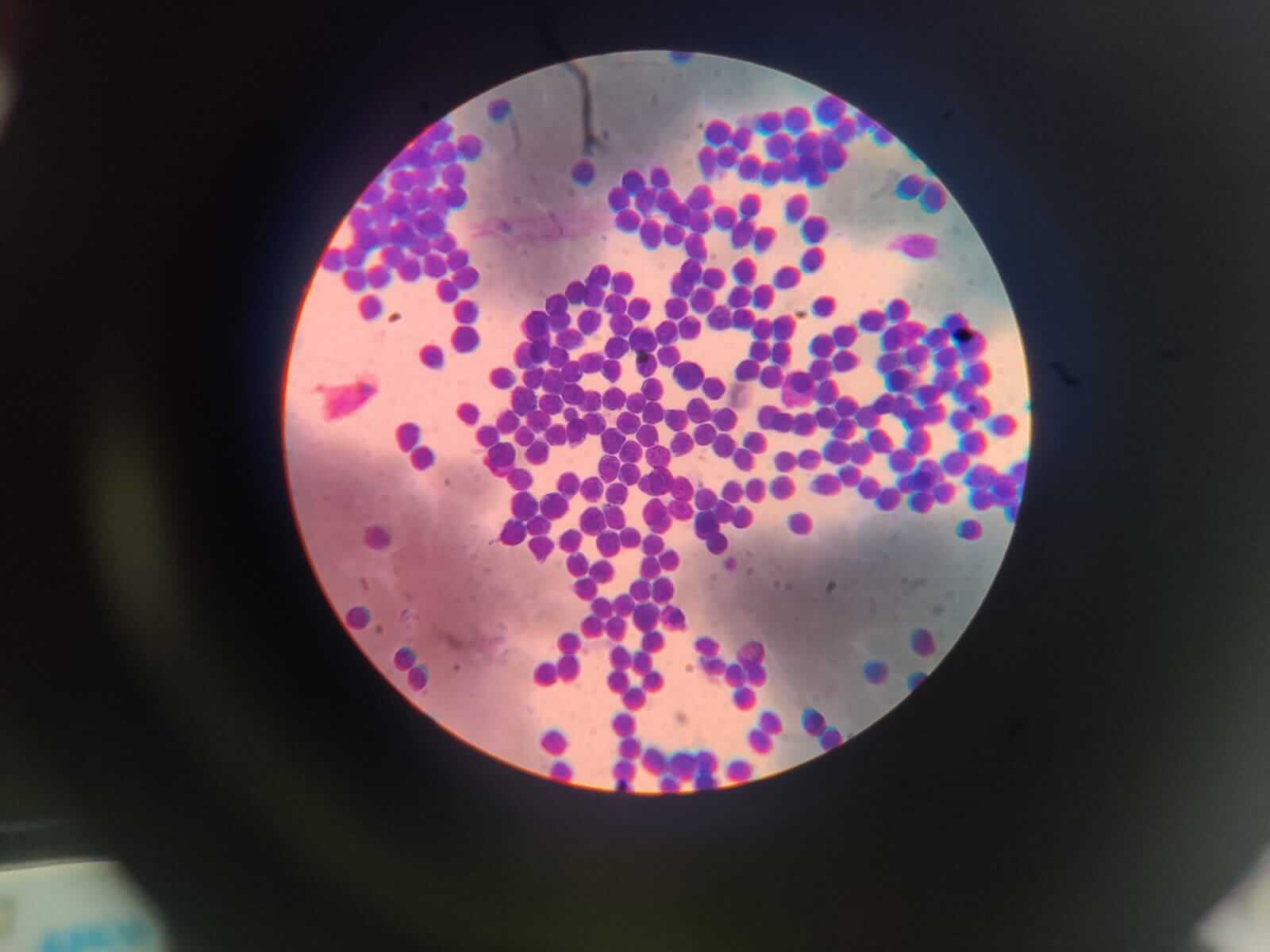
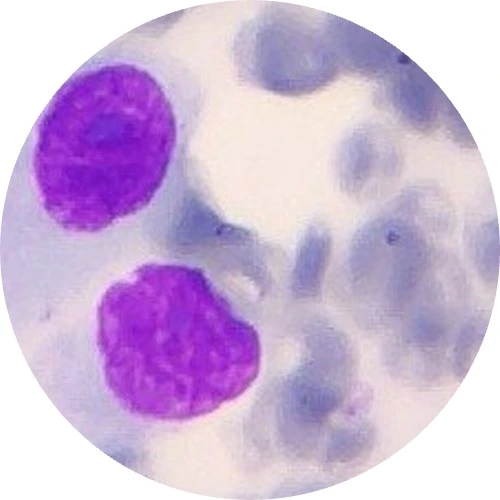
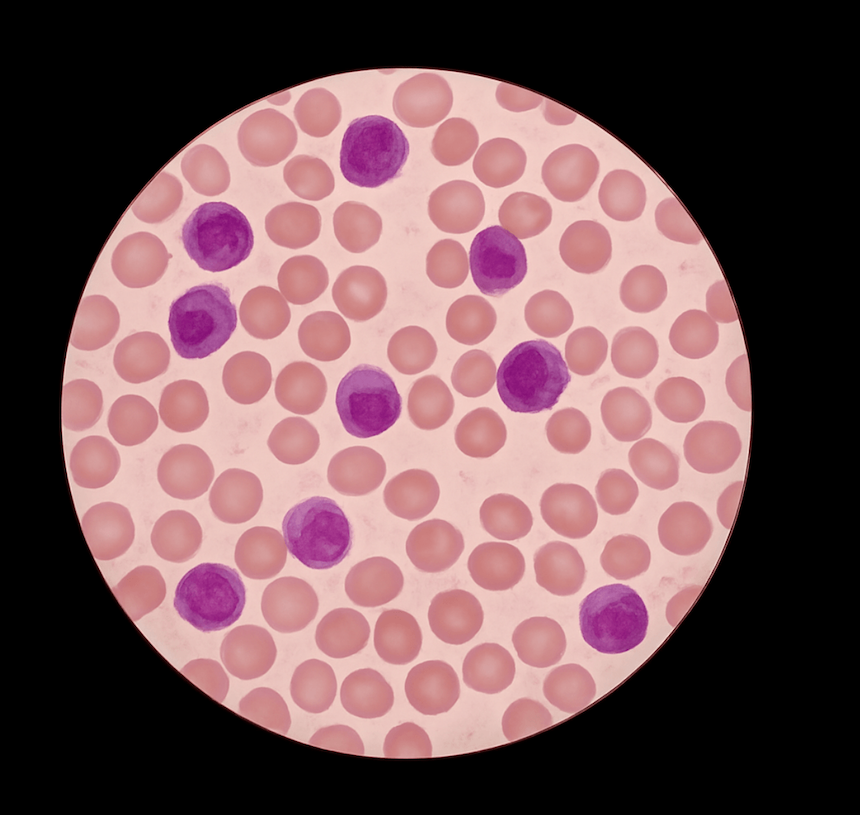
Blood film microscopy showing blast cells - one of the findings of blood cancer
Pathology, imaging, and hematology work from the same report — you don't have to go to different hospital and clinic.
तपाईंको रगत जाँच रिपोर्टमा केही असामान्य देखिएको छ? धेरैजसो अवस्थामा यो क्यान्सर होइन — प्रायः आइरन वा भिटामिन बी-१२ को कमी, हालसालैको ज्वरो, वा उपचार गर्न सकिने वंशाणुगत अवस्थाका कारण हुन्छ। हाम्रो हेमाटोलोजी टिमले तपाईंको रिपोर्ट हेरेर सजिलो भाषामा बुझाउँछ।
नेपालीमा पूरा पृष्ठ हेर्नुहोस् (See the full page in Nepali) →
Send it to us on WhatsApp and hear back from our hematology team within 24 hours.
Main hospital: Tathali, Bhaktapur · City Clinic: New Baneshwor, Kathmandu
 Book Appointment