 Book Appointment
Landmark SAARC Study
The Lancet Oncology · 2024 · PMID: 39637904
Cancer research in South Asian Association for Regional Cooperation (SAARC) countries
Read on PubMed ↗
 Kathmandu
Cancer Center
Kathmandu
Cancer Center
 6122
6122
MBBS · MD Clinical Oncology (PGIMER)
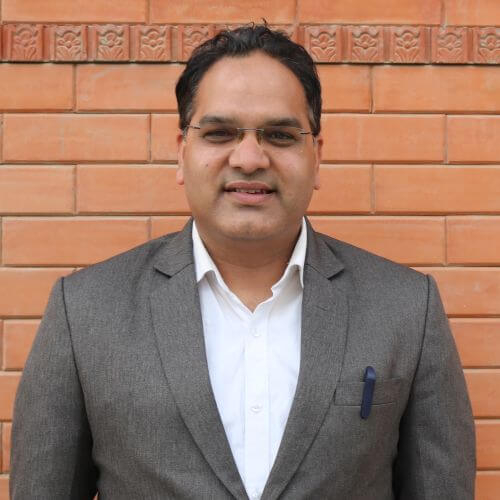
Dr. Simit Sapkota is a consultant clinical oncologist and Chairperson of Kathmandu Cancer Center, PGIMER Chandigarh-trained, focused on biomarker-guided systemic cancer-treatment planning. His practice encompasses chemotherapy, immunotherapy, and targeted-therapy decisions—providing comprehensive medical oncology treatment planning with a particular focus on lung-cancer immunotherapy, molecularly-informed brain tumour and CNS lymphoma care, and precision oncology through Nepal's first Molecular Tumor Board, which he founded and leads.
Dr. Simit Sapkota is a consultant clinical oncologist and Chairperson of Kathmandu Cancer Center (KCC), Nepal. He completed his MBBS from Kathmandu Medical College and his MD in Clinical Oncology from the Postgraduate Institute of Medical Education and Research (PGIMER), Chandigarh — one of South Asia's leading cancer research and treatment institutions. With more than 15 years of oncology practice, Dr. Sapkota focuses on systemic medical oncology treatment planning, precision oncology, immunotherapy, targeted therapy, and multidisciplinary cancer management.
Patients consult Dr. Sapkota for treatment planning after a new cancer diagnosis, for a second opinion on reports from Nepal or India, or for guidance on modern systemic therapies. His clinical interests include biomarker-guided lung-cancer immunotherapy and targeted therapy, molecularly-informed brain tumour and CNS lymphoma care, gynaecological and gastrointestinal cancers, and multidisciplinary precision oncology. Dr. Sapkota founded and leads Nepal's first Molecular Tumor Board at Kathmandu Cancer Center, integrating genomic profiling and personalised treatment planning into routine oncology care. He also provides consultation on CAR-T and cellular-therapy eligibility, referral, and access guidance for selected blood-cancer cases, in coordination with KCC's haemato-oncology team.
Dr. Sapkota is actively involved in oncology research. He is a co-investigator or investigator on several active KCC studies, including cervical-cancer brachytherapy dosimetry, hybrid brachytherapy with IMRT for tongue cancer, primary CNS lymphoma outcomes, adolescent and young-adult cancer experience, and cancer-biobank feasibility. His published research includes work in The Lancet Oncology on cancer research capacity across the SAARC region, molecular classification of astrocytoma in low-resource settings, and CT-guided interstitial brachytherapy for lung lesions.
Dr. Sapkota focuses on personalised cancer treatment using molecular profiling, targeted therapy, immunotherapy, and multidisciplinary tumour board review. His approach emphasises selecting the right treatment based on tumour biology rather than using the same regimen for every patient.
"Every patient deserves to know whether their cancer has a targetable mutation. Not just whether it looks like cancer — but what kind of cancer it is at the molecular level. That distinction changes the treatment entirely."
Advanced Cancer Treatment & Healing Under One Roof
View all publications → Google Scholar Profile
Patient Questions
Dr. Sapkota's formal registered specialty is Clinical Oncology. In Nepal, clinical oncology encompasses both systemic drug treatments — chemotherapy, immunotherapy, and targeted therapy — and radiotherapy planning. Dr. Sapkota provides medical oncology treatment planning across these modalities.
Yes. Dr. Sapkota provides biomarker-guided treatment planning for lung cancer, including immunotherapy and targeted-therapy decisions based on molecular testing (such as EGFR, ALK, and ROS1 status), staging, and prior treatment history.
Yes. Dr. Sapkota provides molecularly-informed brain tumour and CNS lymphoma oncology review, incorporating markers such as IDH and MGMT into treatment planning, in coordination with KCC's neurosurgery and radiation oncology teams. He is not a neurosurgeon and does not perform brain surgery.
CAR-T (Chimeric Antigen Receptor T-cell) therapy is a form of immunotherapy that reprograms a patient's own immune cells to attack cancer, currently used for selected blood cancers. Dr. Sapkota provides consultation on CAR-T and cellular-therapy eligibility, referral, and access guidance for selected cases, in coordination with KCC's haemato-oncology team. Availability and eligibility depend on the specific case and current treatment access in Nepal.
The Molecular Tumor Board is a multidisciplinary panel that formally analyses a tumour's genetic profile to personalise treatment. Dr. Sapkota founded and leads Nepal's first Molecular Tumor Board at KCC, integrating genomic profiling into routine oncology care.
Yes. Dr. Sapkota reviews treatment plans and reports from other centres, including in India, and provides a second opinion or continuation plan for chemotherapy, targeted therapy, or immunotherapy. Bring your pathology report, imaging, molecular/biomarker results, and a summary of treatment received so far.
Appointments can be booked at KCC City Clinic in New Baneshwor (Daily OPD, call/WhatsApp: 01-5312123 / 9763-490950) or at KCC Tathali Main Hospital in Bhaktapur (Sun–Fri, 10 am–4 pm, call/WhatsApp: 01-5091629 / 9818-226237).
Expert Cancer Care in Nepal
Book today via WhatsApp or phone. Reports reviewed within 24 hours. Ring Road pickup available for outstation patients.